

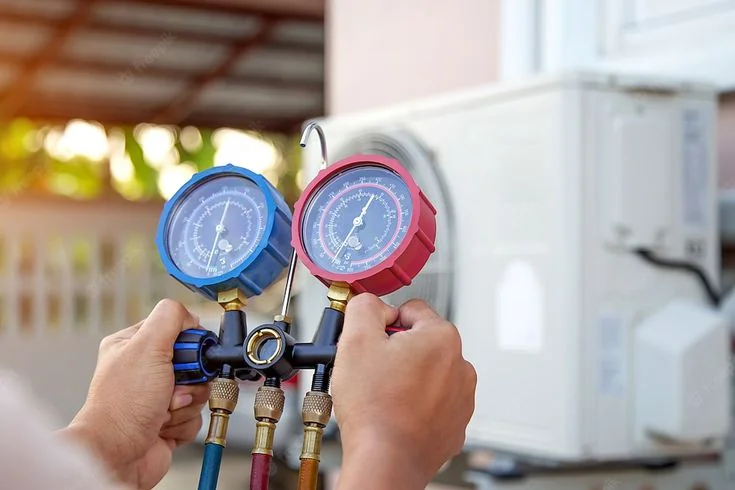
Rain is occasional in Dubai, and it usually falls in the cooler months, roughly November to April. When it does arrive heavily, as it did in April 2024, the damage rarely comes from the rain itself. It comes from water that has nowhere to go: a blocked balcony drain, an AC condensate line that has backed up, or an outdoor socket with a broken cover. Use this checklist in dry weather to find those weak points first.
Why Drains and Condensate Lines Fail First
Dubai’s dust, sand and leaves collect in roof, terrace and balcony drains over months of dry weather, so the first heavy rain meets a partly blocked outlet. AC condensate lines run all summer and can silt up or sag. Neither shows a problem until water is actually moving, which is why a dry-weather check is worth doing.
1. Roof, Terrace and Balcony Drains
From a safe position, look at each outlet and gully you can reach from the balcony, terrace or ground. Remove loose leaves and debris by hand where it is safe, and pour a bucket of water to see whether it drains quickly or pools. Photograph anything slow or cracked. Do not climb onto a roof without safe access and fall protection, and leave building-controlled roofs and risers to your management.
2. AC Condensate Drain Lines
Check that the outdoor drain pipe from each split unit is attached, runs downhill and is not crushed or blocked, and look for stains or dripping under indoor units. Water coming from an indoor unit is a sign the line needs attention. For a drain clean or service, see AC maintenance in Dubai.
3. Outdoor Sockets, Lights and Enclosures
Look at outdoor sockets, lights, gate motors and enclosures for cracked covers, missing seals, open cable entries and rust or water marks inside. Do not open a distribution board or touch exposed wiring yourself. Photograph anything damaged and have a qualified electrician inspect it before the rain, and avoid using damaged outdoor sockets in the meantime.
4. Pumps, Sumps and Basement or Parking Drains
If your property has a sump or booster pump, listen for it to start and stop normally and look for visible leaks. Check floor drains in a private basement, parking area or ramp for debris. Drains that belong to the building or community are for management to maintain.
5. Sealant, Cracks and Water-Entry Points
Walk around the windows, doors, wall joints and ceilings and note cracked or shrunken sealant, hairline cracks and old damp stains. After the first rain, check the same spots for new marks. Small sealant repairs are usually quick, while deeper waterproofing or structural repair needs a proper assessment and quote.
What Not to Touch
Leave live electrics, distribution boards and roofs without safe access to professionals. If water has reached an electrical fitting, keep clear, switch off at the main only if it is safe to reach, and call for help. For a supply-side fault call DEWA on 991, and for fire or gas call Civil Defence on 997.
Public Drains vs Your Property’s Drains
Your checks cover the drains that serve your own property. A blocked street gully or community drain is not something to clear yourself: report a public-network drain problem to Dubai Municipality, and a community or building drain to your community or building management. Public drainage and road right-of-way works are outside SKN’s scope.
If Water Is Already Getting In
A ceiling stain or active drip needs a leak diagnosis rather than a preventive check. See water leak repair in Dubai, and if a drain is already slow or backing up, blocked drain clearing covers the private drains on your property.
Book a Pre-Rain Inspection
If you would rather have the drains, AC lines, outdoor electrics, pumps and sealant checked in one visit, SKN’s pre-rain property inspection in Dubai explains what was found and what needs fixing, can share photos, and quotes before any repair. Send your area, property type and photos on WhatsApp. Attending hours are Monday to Saturday, 8:00am to 8:00pm, with Sunday by appointment.
Frequently asked questions
When should I check my property before the rain in Dubai?
Before the cooler months, because Dubai’s rain typically falls roughly between November and April. Doing the checks in dry weather lets you find blocked drains and loose fittings and book any repair before demand rises after a storm.
Which parts of a Dubai property fail first in heavy rain?
Usually the drainage and the equipment that sits outside. Roof, terrace and balcony drains that are full of dust and debris, AC condensate lines that are blocked or sagging, outdoor sockets and enclosures with damaged covers, and worn sealant around windows and joints are the common weak points.
What should I do if water reaches an electrical socket or panel?
Keep clear and do not touch it. Switch off at the main only if you can reach it safely and dry, then contact an electrician. For a supply-side fault call DEWA on 991, and for fire or gas call Civil Defence on 997.
Who deals with blocked street or community drains?
Report a public-network drain problem to Dubai Municipality, and a community or building drain to your community or building management. Public drainage and road right-of-way works are outside SKN’s scope. A private contractor can look after the drains that serve your own property.
Can SKN inspect my property before the rainy season?
Yes. SKN offers a pre-rain property inspection covering roof and balcony drains, AC condensate lines, outdoor electrics, pumps and sealant, with an explanation of what was found and a quote before any repair. Attending hours are Monday to Saturday, 8:00am to 8:00pm, with Sunday by appointment.
Have a Question?
Blog comments are not published at this time. Send the article title and your Dubai property question on WhatsApp for a direct scope review.
Ask on WhatsApp