

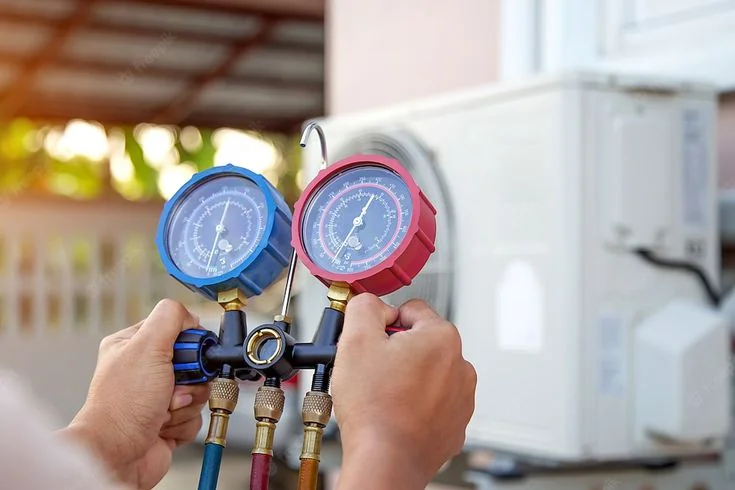
Electromechanical maintenance covers the full range of mechanical, electrical, and plumbing systems that keep a building operational — from high-voltage switchgear and air circuit breakers to HVAC units, water pumps, and fire suppression systems. In Dubai, where buildings run at near-full capacity year-round and the climate places enormous stress on MEP infrastructure, regular professional maintenance is not optional — it is the difference between a reliable building and an expensive emergency.
What Is Electromechanical Maintenance?
Electromechanical maintenance is the scheduled inspection, servicing, testing and repair of a building's mechanical, electrical and plumbing (MEP) systems. It can include electrical distribution, HVAC equipment, pumps and motors, plumbing networks, fire-protection interfaces and controls. The required scope is not identical for every property: building use, equipment type, management rules and authority jurisdiction determine which inspections, certificates and specialist vendors are needed. A qualified contractor should map the asset register and exclusions before an AMC is signed.
What Does Electromechanical Maintenance Actually Include?
A comprehensive electromechanical maintenance programme for a Dubai building covers: electrical systems — distribution boards, MCBs, ACBs, RCDs, earthing and bonding, power factor correction, cabling inspections, and thermal imaging of live panels to catch hotspots before they cause fires; HVAC and mechanical systems — air handling units (AHUs), chilled water systems, cooling towers, split AC units, ventilation fans, pumps, and motors, including filter changes, coil cleaning, refrigerant checks, belt tension, and vibration analysis; plumbing and sanitary systems — water booster pumps, pressure vessels, water storage tanks, drainage systems, pressure relief valves, and sanitary fittings; fire protection systems — fire sprinkler pressure testing, smoke and heat detector calibration, fire suppression system checks, and emergency lighting; and lift and escalator mechanical components where applicable. Each of these systems interacts with the others — a failed pump can take down HVAC; an overloaded distribution board can trip everything. This is why a single integrated maintenance contractor with full MEP scope is more effective than separate vendors for each system.
Why Is Electromechanical Maintenance Important for Buildings in Dubai?
Dubai's climate places sustained demand on building systems. Heat, dust, coastal humidity and the change between conditioned interiors and outdoor temperatures can accelerate wear on filters, coils, seals, electrical contacts, belts and lubricants. Planned maintenance helps owners find developing faults earlier, protect comfort and reduce avoidable downtime. Safety-critical and life-safety systems may also require documented inspections or specialist certification depending on the property and authority requirements; the maintenance plan should state who is responsible for each item rather than implying that one AMC covers every system.
Air Circuit Breaker (ACB) Inspection and Repair in the UAE
Air circuit breakers are the primary protection devices in a building's main electrical distribution. Unlike the small MCBs in household consumer units, an ACB protects the main incoming supply and large sub-circuits carrying hundreds or thousands of amps. They are found in main switch rooms, generator connection panels, and large sub-distribution boards. In the UAE, ACBs require periodic professional maintenance that goes well beyond a visual inspection: contact resistance measurement to verify that the current-carrying contacts are still making proper electrical connection; arc chute inspection and cleaning to ensure the device can safely interrupt large fault currents; mechanism testing to verify the tripping mechanism will actually operate under fault conditions; connection torque checks on all busbars and cable terminations, as thermal cycling causes connections to loosen over time; and insulation resistance testing to verify that the internal insulation is not compromised. In Dubai, heat and dust make ACB contact oxidation and mechanism seizing significantly faster than in cooler climates. An ACB that has not been maintained and tested may fail to trip during a short circuit — with potentially catastrophic results. SKN Technical Services carries out ACB inspection, testing, and repair as part of our electromechanical maintenance contracts across Dubai.
Preventive vs. Reactive Maintenance: The Real Cost Difference
Reactive work can cost more because it adds emergency access, downtime, temporary measures and unplanned parts to the repair. A preventive electromechanical plan should define visit frequency, asset coverage, inspection records, response expectations, exclusions, replacement-parts treatment and which specialist systems sit outside the contract. Thermal reports and test records can support facility handover and maintenance history, but they do not replace the certificates or approvals required by the relevant authority or building manager.
Indicative Dubai MEP AMC Costs (2026)
Commercial MEP maintenance in Dubai is normally priced after reviewing the building size, asset list, access and response requirement. As planning benchmarks, a small commercial unit may fall around AED 3,000–6,000 per year for a basic AC, electrical and plumbing scope; a mid-size residential building may be around AED 18,000–45,000 per year; and larger buildings or warehouses with chillers, pumps, fire systems, 24/7 response or specialist equipment can exceed AED 50,000 per year. Some providers also quote about AED 20–30 per square foot per year for office-side commercial AMC work. These figures are market guides, not a fixed SKN price; fire systems, lifts, chillers, major repairs, consumables and replacement parts should be shown as included or excluded in writing.
Frequently Asked Questions About Electromechanical Maintenance
Below are answers to the three questions we receive most often from building owners and facility managers in Dubai.
Q: Why is electromechanical maintenance important for buildings?
A: Regular electromechanical maintenance keeps a building's MEP systems operating safely and efficiently. Systems can degrade silently: panels overheat, AC units lose efficiency, pumps cavitate and protection devices may not operate as intended. In Dubai, equipment runs under heavy cooling demand and exposed conditions, so planned visits and records help with reliability. The exact legal, inspection and certification duties depend on the property and system; confirm them with the facility manager and the relevant authority or specialist contractor.
Q: What does electromechanical maintenance actually include?
A: It covers the full MEP scope of a building. Electrical work includes distribution board servicing, ACB and MCB testing, thermal imaging, earthing checks, and cabling inspections. Mechanical work covers HVAC systems — AHUs, chillers, fans, pumps, cooling towers — including filter changes, coil cleaning, refrigerant levels, belt inspection, and vibration checks. Plumbing covers booster pumps, pressure vessels, tanks, and drainage systems. Fire protection includes sprinkler pressure tests, detector calibration, and suppression system checks. The exact scope depends on the building type and the systems installed.
Q: What is an air circuit breaker (ACB) and why does it need maintenance in the UAE?
A: An air circuit breaker (ACB) is a large-capacity protection device in a building's main or sub-main distribution board, protecting circuits carrying hundreds to thousands of amps. A qualified electrical specialist should set the inspection and testing interval using the manufacturer guidance, duty cycle, fault level and site condition. The work may include contact resistance testing, arc-chute inspection, mechanism testing, connection torque checks and insulation resistance testing. Dubai's heat and dust can accelerate contact oxidation and mechanism seizing, so the written scope should identify the ACB make, rating, test method and any isolation or shutdown requirement.
Book Electromechanical Maintenance in Dubai
SKN Technical Services LLC provides full-scope electromechanical maintenance contracts for residential buildings, commercial offices, retail fit-outs, and industrial facilities across Dubai and the UAE. Our teams cover electrical systems, HVAC, plumbing, fire protection, and building controls under a single service agreement. For a site assessment and maintenance quotation, call us at +971 52 519 4951, WhatsApp us, or visit our Electromechanical Maintenance service page at skntechnicalservices.com/mep-electromechanical/electromechanical.
Have a Question?
Blog comments are not published at this time. Send the article title and your Dubai property question on WhatsApp for a direct scope review.
Ask on WhatsApp